
What actually changed
Copying software is not new. Free, community-built alternatives to expensive tools are not new. GIMP has been “almost Photoshop” for twenty years, and professionals still feel the gap on deadline day.
What changed is the bottleneck. Mapping a dense interface, wiring a hundred commands, rewriting the boring middle of a desktop app: that used to be the part that burned years of human patience. AI is unusually good at that middle. It will happily generate thousands of lines of interface code without getting bored, and it will keep going when a volunteer would have quit.
So the screenshots look convincing fast. Layers, panels, keyboard shortcuts that feel like muscle memory. The feed sees the screenshot and writes the obituary for subscription software.
I am not writing that obituary. Early demos are still early demos. Opening a real client file, surviving weird fonts, and maintaining the thing for three years is a different job from generating a familiar window. Cloning an app and keeping it alive are two different stories.
Cheap attempts still change who bothers to try. And open source has a second life most obituaries skip: even if the first clone stalls, someone else can pick up the open code, take the torch, and keep going. A shaky first wave does not freeze the future in place. If a big community jumps in over the next few months, today’s “almost” can get sharper than the angry comments assume.
Why the first wave looks like Adobe (and not only Adobe)
Notice who got hit first.
Not the quiet tools people quietly love. The brands with a long public argument about pricing, lock-in, and “you will pry this subscription from my cold inbox.” Adobe is the loudest magnet. A developer does not need a five-year business plan to spend a month cloning Photoshop if the emotional return is finally not paying that bill.
Adobe was not alone. The same week, community projects aimed at unlocking the PlayStation 5 were making waves for the same reason: users trying to pry open a closed system they felt trapped by. Different industry, same pattern. The first wave goes where the resentment already is.
I watched the Adobe project from the day the developer first shared it on Reddit. I did not care much about the code. The comment section was more interesting. It was not mild curiosity. It was an angry mob rooting for Adobe to burn. Hate is not a side note here. Spite is a serious motivator.
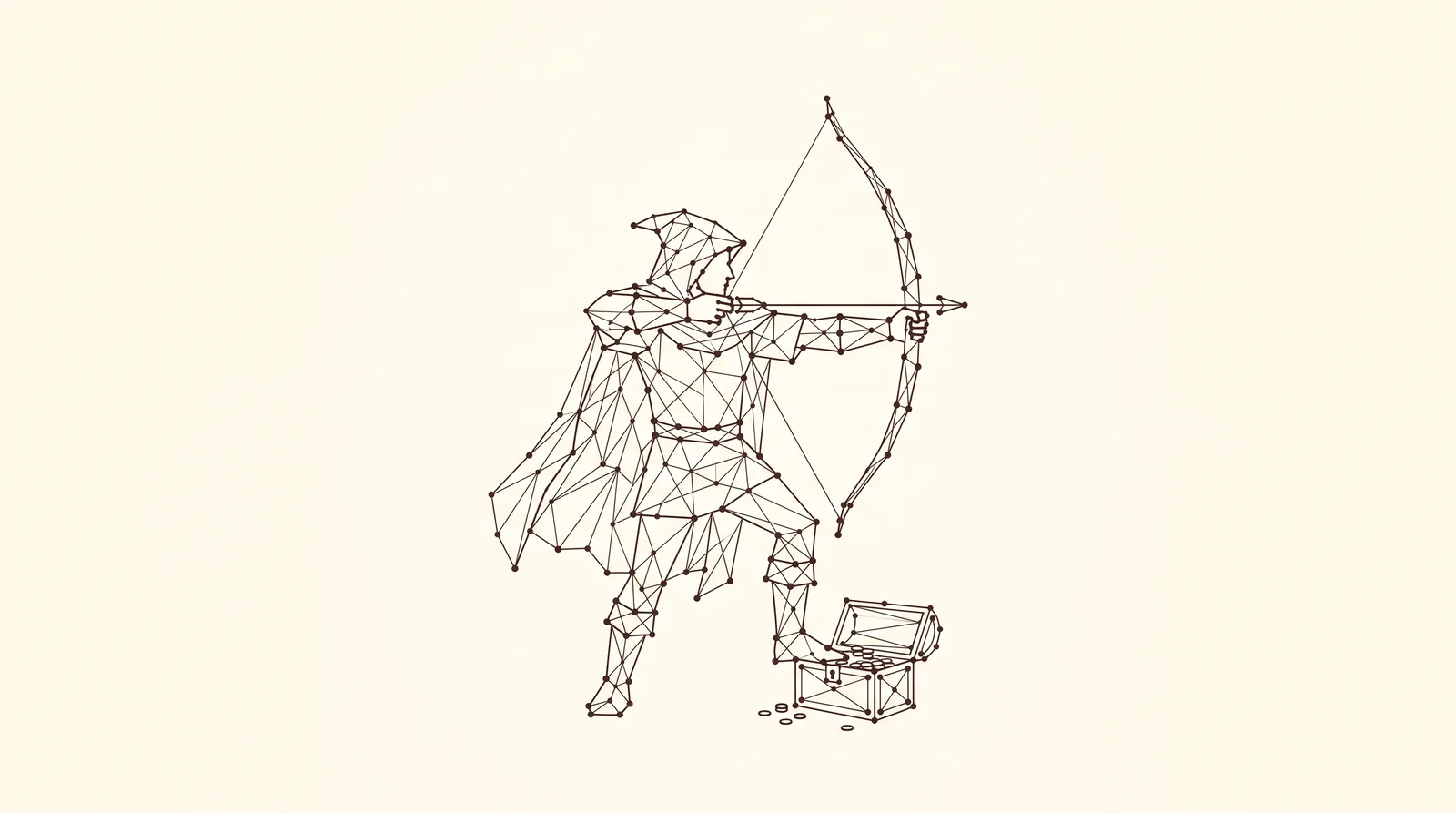
There is a Robin Hood feeling to it too: take a tool from a company people feel squeezed by, rebuild it, and give it away for free. It feels righteous in the moment, even if it leaves someone holding an unglamorous maintenance bill later.
Spite used to be an angry comment under a pricing change. Now spite can ship working software.
That is why this moment is not only a technology story. It is a customer-relationship story disguised as software. When the labor cost of a clone drops, resentment stops being venting and turns into actual competition.
I do not think that ushers in an era of perfectly ethical companies. That would be naive. I do think it puts a new price on being hated. The products people resent become the products people want to clone. The products people respect become less interesting targets, because nobody wants to spend their Saturday tearing down something they are glad exists.
The spark that lit the feed
A big reason the “death of software” talk got loud again this week is a project called REA: Reverse Engineer Anything.
In plain language, it is an AI magnifying glass for software. It helps a coding assistant take an existing app apart, ask how the pieces work, and turn those findings into explanations and then into new code. Pair that with the wave of Adobe-shaped open-source apps that showed up around the same time, and the internet did what the internet does. It mashed two stories into one headline: AI reverse-engineered Photoshop and software is over.
The mashup is a bit too neat. Taking software apart with AI, and shipping a photo editor you can actually open, are related signals, not proof of one magic button. What matters for the rest of us is the cheaper attempt, not which toolkit wrote which line.
Still, REA matters here as a catalyst. It gave the feed a concrete object to point at, a catchy acronym, and a slogan people could screenshot. Once AI can help with the tedious parts of understanding and rebuilding software, cloning stops looking like a specialist craft and starts looking like something a motivated person can attempt.
Features stop being the moat
If a familiar feature set can be approximated on a short timeline, then “we have layers and masks too” stops being a durable defense. The durable defenses move somewhere else.
One place they move is the boring stuff that does not screenshot well: reliability, file fidelity, plugins, the workflow your whole team already trusts on deadline day. Another place is the ecosystem around the tool: cloud rendering, asset libraries, collaboration, the marketplace of other professionals.
And then there is the soft defense.
Goodwill.
People do not spend weekends cloning tools they like paying for. Fair pricing, honest cancellation, a company that still feels like it is on the user’s side: that does not make reverse engineering impossible. It just removes the emotional rocket fuel. Compare the Adobe discourse with something like a flat-fee app people actively want to support. Same technical possibility. Completely different volunteer energy.
So the naive dream is wrong: this will not turn every vendor into a saint. The sharper version is still useful. In a world where cloning got cheaper, being loved is not a brand slogan. It is armor.
Two ways companies can respond
Two directions make sense from here, and they are not equally pleasant.
The first is competing on value people willingly fund. Fair terms, buy-it-once options, making it easy to leave, treating support like part of the product, building the parts a weekend clone cannot fake. Unromantic. Durable.
The second is retreat. If the software installed on your laptop is what an AI can inspect, the corporate answer is simple: stop letting users install the software. Lock the real engine on a company server, stream the screen, and keep the code out of reach. Moving everything into a locked browser tab becomes a defense strategy against clones, not just a billing choice.
Survive by being worth keeping, or survive by making sure the code never arrives.
Both will happen. The mix will tell us a lot about which companies still believe their customers would choose them if leaving were free.
I do not think every subscription dies next quarter. I do think the old feature moat got thinner this month, and the chorus got louder because a tool like REA made the clone story feel suddenly concrete.
The part I find hardest to shake is simpler than the acronyms. When building a lookalike gets easy, the companies that treated users like hostages become the first ones people want to replace.
Which tools on your company’s monthly invoice would someone clone out of pure spite, and which ones do you actually feel good about paying for?